

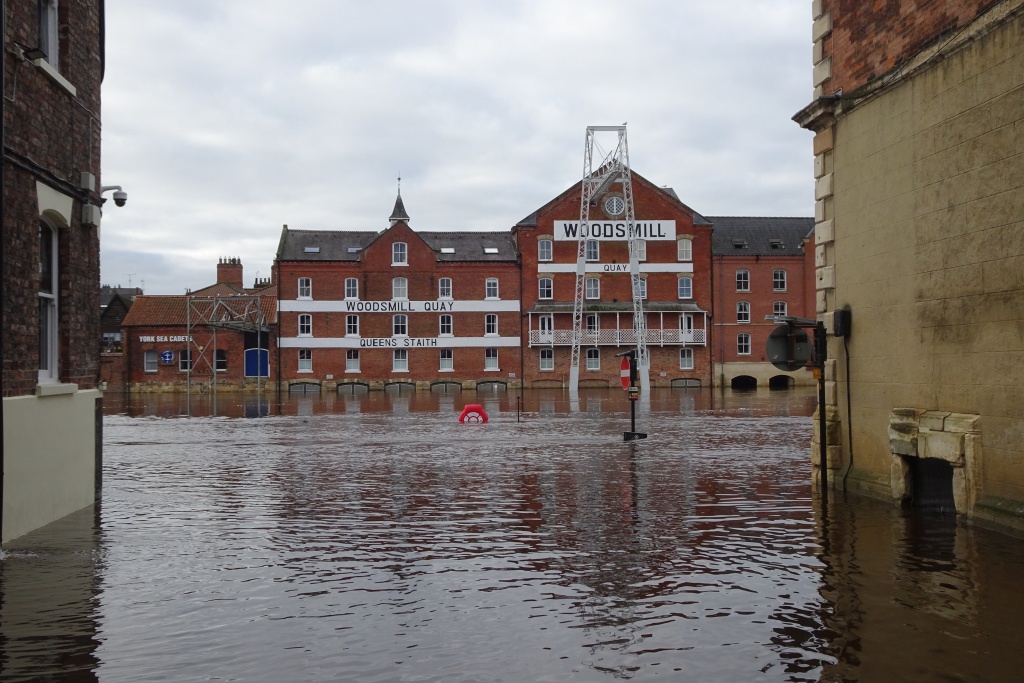
The Palm Beach County School District closed nine schools on Wednesday, November 4, 2026, because of community and localised flooding after days of heavy rain, affecting about 9,660 students from Riviera Beach to western Boca Raton. Six of the nine closed schools are in the West Palm Beach area. The closures came a day after all district schools were closed for Election Day, giving many families two consecutive days without school for two entirely different reasons — one planned, one caused by rising water.
This story is pegged strictly to the November 4 Palm Beach County closures. It is not a general account of the wider storm system that has affected Florida in recent days, and it does not re-litigate earlier closures in other counties or earlier flood watches that have since expired. Those events have been covered separately. What matters here is a specific decision, on a specific day, affecting nine named schools, and what that decision means for the students, staff and parents involved.
The district said it “continues to monitor weather conditions, including localized flooding”, and it told parents that students who cannot reach an open school because of unsafe conditions will receive an excused absence. That assurance matters for families in flooded neighbourhoods, who should not have to choose between their children’s safety and their attendance record. It also reflects the district’s recognition that flooding in Palm Beach County is not uniform: some streets are passable, others are not, and a blanket rule would not fit the reality on the ground.
Palm Beach County schools closed November 4: the nine schools
The nine schools closed on November 4, 2026, to students, staff and visitors are: Egret Lake Elementary, Grassy Waters Elementary, Loxahatchee Groves Elementary, Seminole Trails Elementary and Washington Elementary in Riviera Beach, Bear Lakes Middle, Jeaga Middle and Palm Beach Lakes High, all in the West Palm Beach area, and West Boca Raton High in Boca Raton. Together, they enrol about 9,660 students, a figure that gives a sense of the scale of the disruption: nearly ten thousand children, plus their teachers and support staff, had their school day cancelled because of flooding in their communities.
The geographic spread is significant. The closures stretch from Riviera Beach in the north, through the West Palm Beach area in the centre — where six of the nine schools are located — to western Boca Raton in the south. That span suggests the flooding is not confined to a single neighbourhood or a single drainage basin, but affects communities across a large part of the county. At the same time, the fact that only nine schools closed, out of a district with many more, shows that the district made a school-by-school judgment based on local conditions, rather than closing the entire district.
For the families at those nine schools, the closure means a day of childcare arrangements, missed lessons, and, for older students, missed exams or assignments. For families at schools that remained open, the day brings a different challenge: getting children to school safely through flooded or partially flooded roads. The district’s message to those parents — drive children to school if possible, and excused absences for those who cannot reach school safely — attempts to balance those two realities, but it places a burden on parents to judge road safety in conditions that can change quickly.
How much rain fell — and where the flooding is worst
The rainfall totals behind the closures are extraordinary. According to figures from the National Weather Service Weather Prediction Center, reported via The Weather Company, more than 22 inches of rain fell near West Palm Beach, more than 14 inches in Riviera Beach, and more than 24 inches near Malabar in southern Brevard County. Those totals are preliminary figures and they vary by reporting location, as rainfall from a slow-moving system always does, but even allowing for that variation, they describe a deluge: in some places, more than two feet of rain in a period of days.
To put those figures in context, 22 inches of rain is more than many American cities receive in an entire year, delivered in a matter of days to a low-lying coastal county whose drainage systems, roads and canals were not designed for that volume in that time. The result is the kind of flooding South Florida has experienced this week: streets turned into canals, cars stranded in standing water, businesses flooded, and neighbourhoods cut off by water that has nowhere to go. The Weather Prediction Center forecast a further 1 to 2 inches on the Florida East Coast, with isolated totals of 3 to 5 inches or more, before gradual drying in the second half of the week.
The flooding’s human impact extends beyond schools. Motorists have been stranded, businesses have been flooded, and emergency services have been called to water rescues and road closures across South Florida. Schools are one visible measure of that impact, because a school closure is a public decision that affects thousands of families at once, but they are not the only measure. The same water that closed nine schools has also disrupted commutes, damaged property, and forced residents to adapt their daily lives around standing water that may take days to recede.
What the district told parents about excused absences
The district’s guidance for November 4 drew a clear line between closed schools and open schools. At the nine closed schools, no students, staff or visitors were to attend, and the day was simply cancelled. At schools that remained open, parents were asked to drive their children to school if possible — a recognition that school buses may not be able to run their normal routes through flooded streets, and that walking or cycling to school may be unsafe.
Crucially, the district said that students who cannot reach an open school because of unsafe conditions will receive an excused absence. That policy removes a dilemma that families in flooded areas often face: whether to risk a dangerous journey to avoid an unexcused absence, or to keep a child home and face attendance consequences. By stating the excused-absence policy explicitly, the district gave parents permission to prioritise safety, and gave schools a consistent rule to apply when marking attendance for the day.
Parents should still check with their child’s school for specific instructions, because local conditions vary and because the district’s overall guidance may be supplemented by school-level messages about bus routes, after-school activities, and make-up work. The district’s statement that it “continues to monitor weather conditions, including localized flooding” also signals that further decisions may follow: if flooding worsens, more schools could close; if it improves, closed schools could reopen. Families should therefore treat November 4 as a day-by-day decision, not as a settled schedule for the rest of the week.
From Election Day closure to flood closure: two days in a row
The November 4 closures followed a district-wide closure on Tuesday, November 3, 2026, when all Palm Beach County schools were closed for Election Day. That closure was planned and routine: many school districts close on Election Day because school buildings are used as polling places, and because the presence of voters in school buildings raises safety and logistical questions. Families would have planned for November 3 as a day off, with childcare or activities arranged in advance.
November 4 was different. It was not planned, it was not district-wide, and it was caused by an emergency rather than by a calendar. For families at the nine closed schools, the result was two consecutive days without school, the second of them unexpected. For teachers, it meant two days of disrupted lesson plans, with the second day’s disruption harder to plan around because it depended on local flooding conditions that changed overnight. For the district, it meant making a high-stakes decision — which schools to close, and which to keep open — on the basis of overnight rainfall and morning road conditions.
The back-to-back closures also illustrate how quickly a school calendar can be disrupted by weather in South Florida in November. A planned closure and an emergency closure, falling on consecutive days, can feel like a single long interruption, but they have different causes, different scopes, and different implications for make-up days. The district has not, in the material available for this story, announced make-up days for November 4, and families should watch for further announcements on that point as the week progresses.
Palm Beach County flooding in the wider Florida storm picture
While this article is pegged strictly to the November 4 Palm Beach County closures, a brief wider context helps readers understand why the flooding happened. The rain that closed Palm Beach County schools is part of a prolonged wet period that has affected much of Florida, with slow-moving systems dropping exceptional rainfall totals across the peninsula. The Weather Prediction Center’s forecast of gradual drying in the second half of the week offers some hope, but the additional 1 to 2 inches forecast for the Florida East Coast, with isolated higher totals, means the situation could worsen before it improves in some places.
One piece of context that should be mentioned only briefly, because it is not this story, is the Learjet crash in Greenacres on November 1, 2026, in which nine people died and in which weather was believed to have been a factor. That crash has been covered separately, and it is not connected to the school closures except in the broad sense that both occurred during a period of severe weather in South Florida. Readers should not conflate the two events: the school closures are a flooding decision, and the crash is a separate aviation tragedy under separate investigation.
Similarly, other counties’ school closures and earlier flood watches, which have been covered in previous USN stories, are not re-litigated here. The focus remains Palm Beach County on November 4: nine schools, about 9,660 students, and a district monitoring localised flooding school by school. That narrow focus is deliberate, because it allows readers in Palm Beach County to find the information that affects them, without wading through a general storm account that covers counties they do not live in.
What happens next: drying out and reopening
The immediate question for families is whether the nine closed schools will reopen on November 5, and whether any additional schools will close if flooding spreads. That decision will depend on overnight rainfall, on how quickly standing water drains from school access roads and neighbourhoods, and on whether school buildings themselves have been affected by water. The district’s statement that it continues to monitor conditions suggests that announcements will be made on a day-by-day basis, and families should check the district’s official communications in the evening and early morning before sending children to school.
Longer term, the flooding raises questions that will outlast this week: about drainage in the West Palm Beach area, about the resilience of school access routes, and about how districts plan for a November in which exceptional rainfall can close schools for multiple days. Those questions are for future reporting, once the immediate emergency has passed and damage assessments are available. For now, the priority is safety: staying off flooded roads, heeding local warnings, and keeping children home when travel is unsafe, with the district’s excused-absence policy as reassurance.
For readers following Florida weather more broadly, our earlier report on a storm spanning 35 states is about to spoil Halloween weekend and then keep moving provides background on the large-scale system that preceded this week’s flooding, though the Palm Beach County closures themselves are a new, local development. USN will update this story if the district announces further closures or reopenings, and will continue to report the Palm Beach County situation school by school, as families need it.
Sources
USN reviewed reporting from multiple outlets for this story. Read more from The Palm Beach Post, The Weather Company and Fox Weather.