

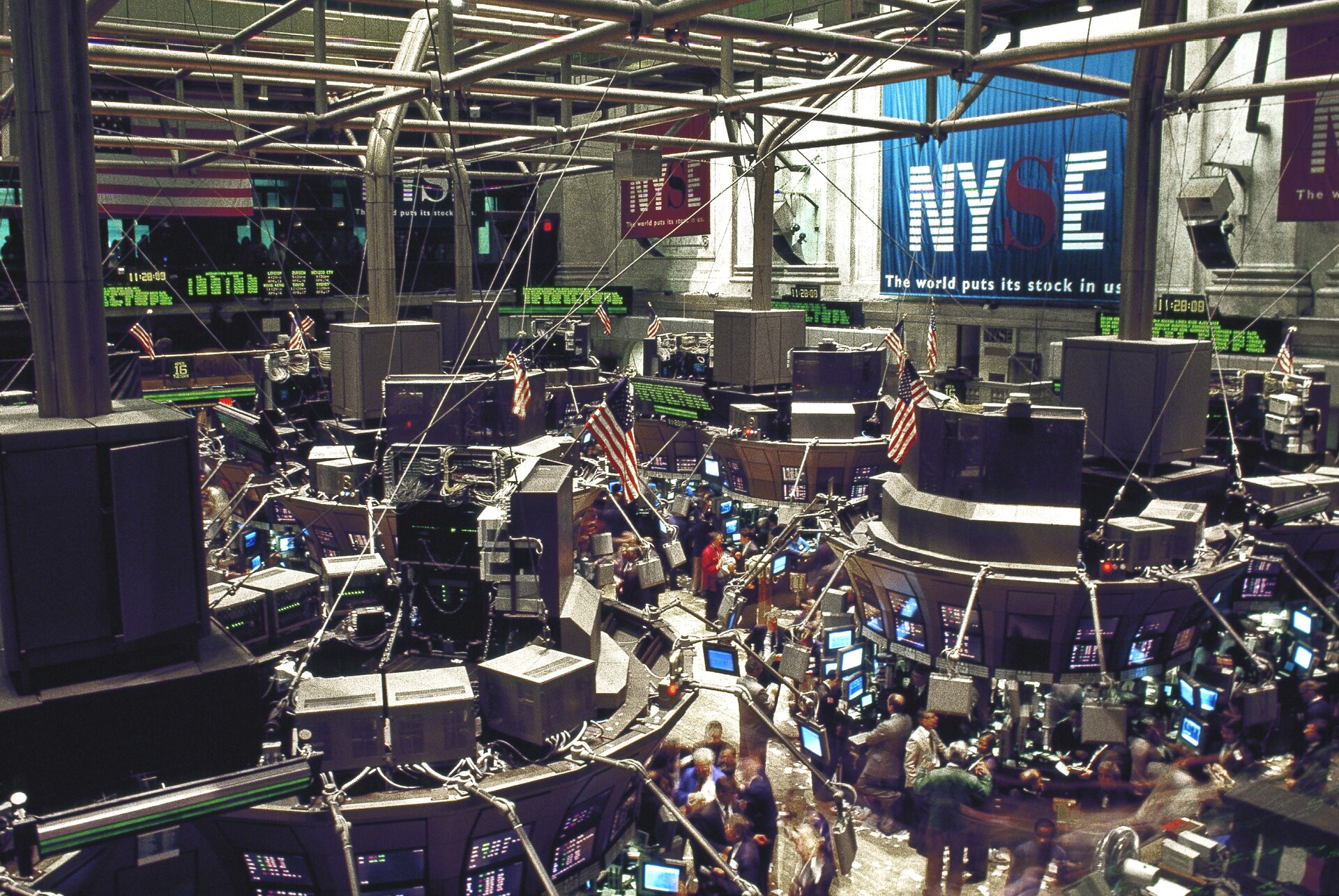
Asian stock markets fell sharply on Friday, November 6, as the heavy selling that struck Wall Street a day earlier spread across the Pacific and turned a United States technology rout into a regional market slide. Japan’s Nikkei 225 closed down 5.96 percent at 57,434.77, a fall of more than 20 percent from its record high that placed the index in bear market territory, while South Korea’s Kospi at one point dropped more than 8 percent and triggered a circuit breaker. Taiwan’s benchmark fell 4.5 percent on the day, completing its worst week since 1991. The selling followed Thursday’s session in New York, when the Nasdaq Composite lost 5.52 percent and entered a correction, and it left investors across Asia asking whether the downturn in artificial intelligence shares was a brief shakeout or the start of a deeper reassessment of the sector.
The scale of the move in Tokyo was striking. The Nikkei fell as much as 7.09 percent during morning trading before recovering some ground, and it closed below 60,000 for the first time since May. The index now sits about 20.6 percent below its record high of 72,366, reached on June 25. A fall of 20 percent or more from a recent peak is widely described by market watchers as a bear market, and by that measure Japan’s benchmark has now entered one. The broader Topix index was down about 6 percent. The selling was broad, but it was concentrated in the shares most closely tied to artificial intelligence, semiconductors and data centres, the same groups that had led markets higher through much of the year.
South Korea suffered an even sharper early fall. The Kospi dropped 8.55 percent in early trading, slipped below the psychologically important 5,000 level and triggered a circuit breaker that briefly halted trading, before paring some of its losses later in the session. Taiwan’s Taiex closed 4.5 percent lower, taking its decline for the week to 12.2 percent, the largest weekly fall since 1991 according to market data provider LSEG. Elsewhere in the region, Australia’s S and P ASX 200 declined about 1 percent, Shanghai lost about 1.1 percent, Hong Kong’s Hang Seng slipped about 0.6 percent, and Singapore’s Straits Times fell 2.3 percent. India was a notable exception, with the Sensex rising and the Nifty holding near 24,700 as Indian shares moved against the regional trend.
What happened on Wall Street on Thursday
The Asian sell-off cannot be understood without Thursday’s session in New York, which was Wall Street’s worst day since April 2025. The Nasdaq Composite sank 5.52 percent to 24,315, a fall of 1,421.52 points, leaving it 11.9 percent below its record high set on October 6. A decline of more than 10 percent from a recent high is generally described as a correction, and the Nasdaq has now entered one. The S and P 500 fell 4.36 percent, or 334.89 points, to 7,353.73. The Dow Jones Industrial Average dropped 1,833.06 points, or 3.44 percent, to 51,523.06. The Nasdaq 100, which tracks the largest non-financial companies on the Nasdaq, sank 6.36 percent to 26,629.81.
Semiconductor shares were at the centre of the selling. The Philadelphia Semiconductor Index, which measures the performance of the 30 largest United States semiconductor-related stocks, plunged 12.3 percent. Nvidia, the chipmaker whose processors power much of the artificial intelligence boom, fell 9.3 percent. The scale of the move reflected a sudden change in mood around a sector that had driven much of the market’s gains over the past two years. Investors who had paid high prices for shares on the expectation of rapid growth in artificial intelligence spending began to question how quickly that spending would produce returns, and how much competition and regulation might eat into future profits.
Thursday’s losses also wiped out the post-election rally that had followed the midterm elections on Tuesday, November 3. All three major United States indices recorded their worst single-day performances since April 2025, when President Donald Trump’s tariff announcements triggered a global market rout. The comparison underlined how quickly sentiment can turn: a market that had been celebrating the election result one day was selling heavily the next, as attention shifted from the outcome of the vote to what the result might mean for technology regulation and for the economics of data centre construction.
Why the Nikkei falls 6 percent story spread across Asia markets
Several forces combined to carry the selling from New York to Tokyo, Seoul and Taipei. The first was doubt about the returns on artificial intelligence and data centre spending. Companies have committed enormous sums to building data centres and buying advanced chips, and investors have begun to ask more pointed questions about when those investments will generate enough revenue to justify their cost. When the most richly valued shares in the market face that kind of question, the selling tends to be sharp, because so much optimism is already reflected in their prices.
The second factor was the result of the midterm elections. Democrats won control of both chambers of Congress on November 3, and reporting on the market reaction noted concerns that the outcome could lead to tighter regulation of artificial intelligence and restrictions on data centre expansion. That concern is not a settled fact about future policy. No new law has been passed, and the incoming Congress does not take office until January 3, 2027. But markets move on expectations as well as on events, and the prospect of curbs on a sector that has driven the rally was enough to encourage selling, particularly in shares that had risen furthest.
The third factor was the sheer concentration of the rally itself. The gains of the past two years have been led by a relatively narrow group of technology and chip companies, and many of the same names dominate the major indices in Japan, South Korea and Taiwan. When those names fall in New York, the effect is felt almost immediately in Asia, where suppliers, memory makers and equipment companies form part of the same global supply chain. A fall in Nvidia shares in New York, for example, is read in Tokyo and Seoul as a signal about demand for the components those markets produce.
Chip and technology shares lead the losses in Tokyo and Seoul
In Tokyo, Japanese artificial intelligence, chip and data centre-related stocks were hit hard. SoftBank Group, whose investments span technology and telecommunications, declined about 10 percent. Kioxia, the memory chip maker, fell more than 8 percent. Rohm slid 15 percent, Furukawa Electric sank more than 8 percent, and Resonac dropped about 7 percent. The selling was not limited to technology: the Nikkei’s fall was broad, with only a handful of notable exceptions. Daikin Industries surged 7.5 percent to a three-month high in morning trading before closing up 1.5 percent at 21,790, a rare bright spot on a day when most of the market moved in one direction.
In South Korea, the selling centred on the memory and chip giants that dominate the Kospi. Samsung fell about 6 percent, while SK Hynix dropped between 9 and 10 percent. Both companies are central suppliers of the memory chips used in artificial intelligence data centres, and both had benefited from the boom in demand for those products. When investors began to question the pace of data centre spending, the two stocks were among the first to fall. The Kospi’s early plunge below 5,000 and the triggering of a circuit breaker showed how fast the selling was moving, and how little buying interest there was to absorb it in the opening hours of trading.
Taiwan’s market told a similar story. The Taiex fell 4.5 percent on Friday, and its weekly decline of 12.2 percent was the worst since 1991. Taiwan is home to the world’s most important contract chipmakers, and its market is closely tied to global demand for semiconductors. A week in which the Philadelphia Semiconductor Index fell more than 12 percent in a single day was always likely to be a painful one for Taipei, and the scale of the weekly loss reflected the speed with which sentiment had turned.
The Bank of England raises rates as investors seek safety
The market turmoil was not confined to equities. The Bank of England raised interest rates during the week, a decision that added to the sense of caution in global markets and reminded investors that borrowing costs remain a live issue even as growth concerns rise. At the same time, investors moved towards government bonds and other assets seen as safer, pushing United States Treasury yields towards two-month lows. The shift into bonds is a familiar pattern during sharp equity sell-offs: when share prices fall quickly, some investors prefer the relative stability of government debt, even if the returns are lower.
Currency and commodity markets also reflected the nervous mood, though the main story of the day remained the equity rout. United States stock futures recovered some ground during Asian trading, with Nasdaq futures up about 0.8 percent, suggesting that some investors were willing to buy after the sharp falls. European stock futures remained down about 1 percent, indicating that uncertainty continued to weigh on markets there as well. The mixed picture in futures trading underlined the central question facing investors: whether Thursday and Friday represented a sharp but short-lived correction, or the beginning of a longer period of weakness for technology shares.
What investors are watching next
Attention now turns to the United States employment report, which was scheduled for release on Friday, November 6. The October Employment Situation report from the Bureau of Labor Statistics, covering nonfarm payroll growth, unemployment and wages, is closely watched at the best of times, and it carries extra weight after a week of heavy selling. Strong jobs data could reassure investors about the health of the wider economy, while weak data could deepen concerns that growth is slowing at the same time as technology valuations are being questioned.
Investors will also be watching for any further signals about policy towards artificial intelligence and data centres. The midterm result has raised the prospect of tighter regulation, but the shape of any such policy remains uncertain, and much will depend on what the incoming Congress proposes in January and how the administration responds. For now, the market reaction reflects a repricing of risk rather than a settled judgement about the future of the industry. Artificial intelligence spending has not stopped, data centres are still being built, and the companies at the centre of the boom remain profitable. What has changed is the price investors are willing to pay for future growth, and that price has fallen sharply in the space of two days.
The scale of the losses also raises questions about how far the correction might run. The Nasdaq is now more than 10 percent below its record high, and the Nikkei is more than 20 percent below its peak. History suggests that corrections in technology-led rallies can be sharp but do not always turn into longer bear markets, particularly when the wider economy continues to grow. History also suggests that they can deepen quickly when selling feeds on itself, as investors sell to limit losses and trigger further declines. Neither outcome is certain, and the coming days of trading, along with the employment data and the next round of company results, are likely to shape which path the market takes.
For ordinary savers and pension holders, the falls are a reminder that the gains of the past two years came with volatility attached. Markets that rise quickly on the back of a single theme can fall quickly when that theme is questioned, and the concentration of gains in a small number of companies makes the major indices more sensitive to their fortunes than they would be in a broader rally. The events of November 5 and 6 have not answered the fundamental questions about artificial intelligence spending, regulation or valuation. They have, however, made clear that those questions are now at the centre of the market debate, and that the answers will matter far beyond the technology sector.
Sources
USN reviewed reporting from multiple outlets for this story. Read more from The Japan Times, Gulf News and La Nacion.