

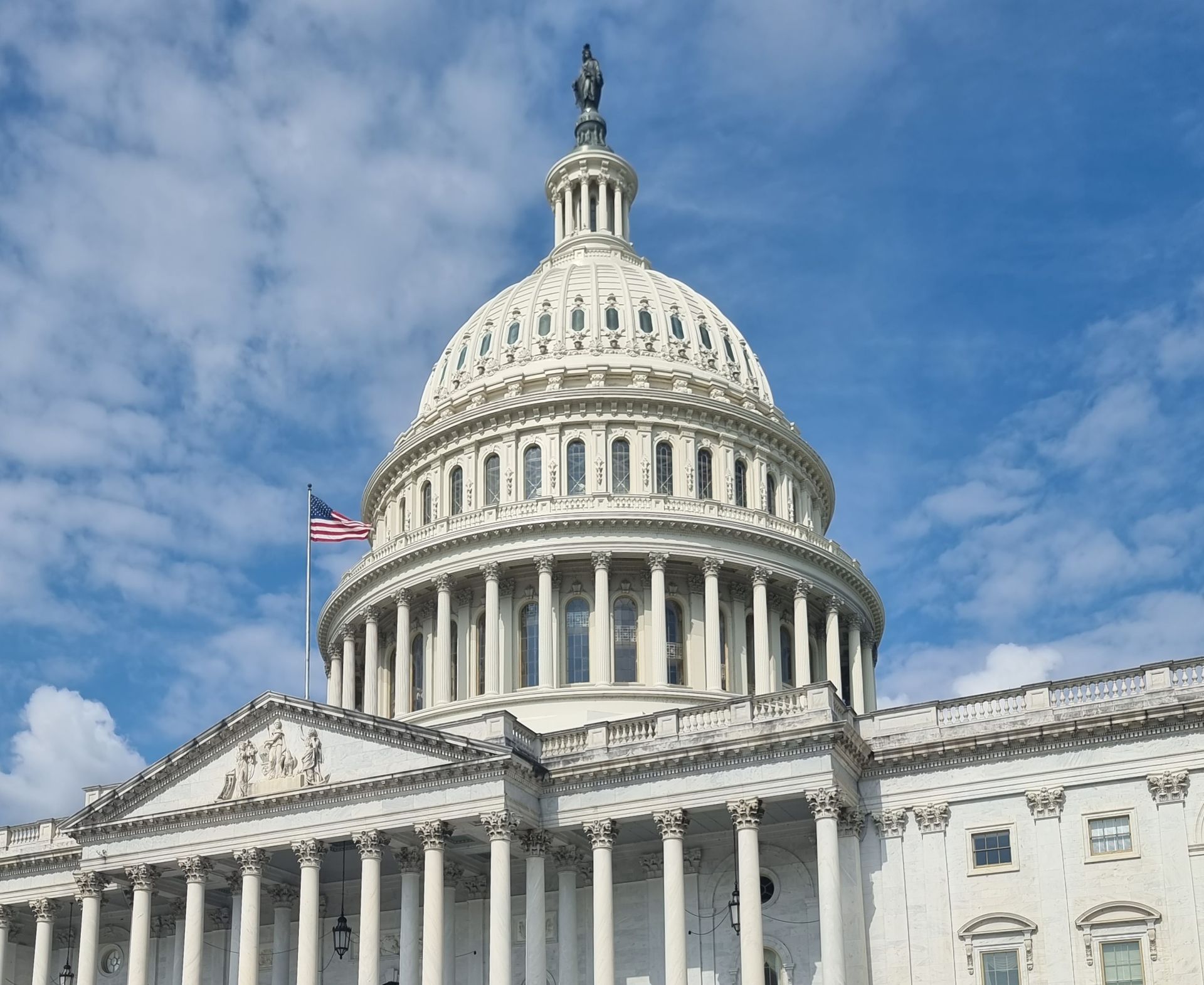
Democrats have been projected to win control of the United States House of Representatives in the 2026 midterm elections, passing the 218 seats needed for a majority while dozens of races remained uncalled and counting continued. The Associated Press called Democrats past the threshold, with 222 seats called for the party in early counts on November 4, and later counts put the Democratic total higher as additional races were called. The figures were still moving, however, and no single total should be read as a complete or official result while so many contests remain outstanding.
The number 218 is the key to the House, because the chamber has 435 voting seats and a majority requires more than half of them. In practice, vacancies can shift the working number slightly, but 218 remains the benchmark every election night uses to judge control. Passing it is therefore the decisive moment for the question of which party will organise the House, choose the Speaker, set the floor agenda and control committee chairmanships in the next Congress. The size of the majority beyond 218 is a separate question, and one that will not be settled until the uncalled races are resolved.
More than 75 races were still uncalled as counting continued, a large remainder by any recent standard. That is not, by itself, a sign that something has gone wrong. House races are counted district by district under state and local rules, and districts vary widely in size, population density and voting method. Some states count quickly because most ballots are cast in person and reported on election night. Others, particularly in the West, count large numbers of mail ballots that arrive on or after Election Day, and those ballots take days to verify, open and tabulate. A large uncalled pool therefore reflects the mechanics of counting as much as the closeness of the contests.
What the 2026 House Majority Results Already Decide, and What They Do Not
The projection past 218 decides the central question of House control, even though it does not decide the complete margin. News organisations make such projections only when their analysis indicates that the remaining uncalled races cannot plausibly reverse the overall outcome, even if they could still change the size of the winning party’s majority. That is why a projection can be both reliable on control and provisional on the exact total: the first question has effectively been answered, while the second remains open. Readers should therefore hold both ideas at once — a projected Democratic majority, and an unsettled complete count.
What the complete margin does decide is how much room the majority party will have to govern. A narrow majority, even of only a few seats, can be difficult to manage, because absences, dissent within the party and special circumstances can turn a routine vote into a close call. A larger majority gives party leaders more flexibility to lose a handful of votes on a difficult bill and still prevail, and it gives individual members in competitive districts more room to break with their party without endangering the outcome. Until the uncalled races are called, neither party’s leaders can know exactly how much flexibility they will have, and planning for the next Congress will remain partly provisional.
Flips in Districts Trump Carried in 2024
Part of the Democratic path past 218 ran through districts that former President Donald Trump carried in the 2024 presidential election, a pattern that drew particular attention because such districts are usually among the hardest for the opposing party to win. Winning in territory carried by the other party’s presidential candidate requires either a shift in voter sentiment since the last presidential election, a strong local candidate, a weak or vulnerable incumbent, or some combination of all three. The 2026 results included several such flips, suggesting that the midterm electorate differed in meaningful ways from the 2024 presidential electorate in those places.
In Nevada, the 2nd Congressional District produced one of the most notable of those flips. Democrat Teresa Benitez-Thompson was projected to defeat Republican Representative Mark Amodei, an incumbent, in a district Trump had carried in 2024. Defeating an incumbent is always more difficult than winning an open seat, because incumbents typically enjoy name recognition, fundraising advantages and established relationships with voters. A challenger victory over an incumbent in presidential-year territory for the other party therefore stands out as a marker of a broader shift, at least in that district, rather than a routine change.
California produced another such result in the 48th Congressional District, where Democrat Marni von Wilpert was projected to defeat Republican Representative Darrell Issa, also an incumbent, in a district Trump had carried in 2024. As in Nevada, the combination of an incumbent defeat and a district carried by Trump in the last presidential election made the result noteworthy beyond its contribution to the national seat count. Both races were cited in reporting as examples of Democrats winning in places where the presidential map had favoured Republicans, and both helped build the Democratic total toward and past the majority threshold.
Why California and Western Mail-Ballot Counts Take Days
A recurring source of confusion on election night is why some states report nearly complete results within hours while others take days or longer. The answer lies largely in how Americans vote and how state law treats those votes. California and several other Western states conduct elections in which a large share of voters cast ballots by mail. Those ballots must be verified — typically by checking the voter’s signature against the registration record — before they can be opened and counted. Ballots postmarked by Election Day but arriving afterwards, where state law permits them, extend the process further.
California’s size compounds the effect. The state has 52 congressional districts, more than any other state, and millions of ballots to process. Election officials there are also required to follow procedures designed to ensure accuracy, including curing ballots with signature issues where voters are given a chance to correct a problem. Those safeguards take time, and they mean that early results in California often reflect only a portion of the total vote, usually the ballots received and processed first. As later ballots are counted, margins can move, sometimes substantially, and races that looked close on election night can widen or narrow.
For the national picture, the practical consequence is patience. The House majority has been projected, but the complete seat count, the identity of the winners in the remaining districts and the exact size of the Democratic majority will emerge gradually as states finish counting and confirm their results. That gradual process is normal in American elections, even if it sits uneasily with an expectation of a single definitive number on election night. The responsible way to follow it is to track called races, note which races remain uncalled, and treat any running total as a snapshot of a count in progress rather than a complete tally.
What Happens Next in the House
Once the count is complete, the incoming House will organise itself: members will elect a Speaker, adopt rules, and assign committee leadership and membership. The projected Democratic majority means Democrats will control that process, but the internal negotiations will still matter. The party’s leadership will need to balance the interests of members from safe districts, who may favour a more assertive agenda, with those from competitive districts, who may favour caution on votes that could be used against them in the next election. That tension exists in every majority, and it tends to be sharper when the majority is narrow.
Legislatively, House control gives Democrats the ability to pass bills, conduct oversight through committees and set the terms of debate on spending, health care, the economy and other issues. As in the Senate, however, House passage alone does not make law. Bills must also pass the other chamber and be signed by the president, or survive a veto override, and divided government therefore limits what any single chamber’s majority can achieve on its own. The House majority’s most immediate power may be in what it chooses to bring to a vote, what it investigates and what it blocks, rather than in sweeping legislation enacted without the cooperation of the Senate and the White House.
Until the remaining races are called, the most accurate summary of the House picture remains the one reporting has offered: Democrats are projected past 218, early counts showed 222 called seats with later counts higher, more than 75 races remain uncalled, and the complete margin is pending. That summary acknowledges both what is known — control — and what is not yet known — the exact size of the majority. As counting continues in California and across the West, the numbers will move, and the complete, official totals will replace the projections that currently describe the outcome.
Sources
USN reviewed reporting from multiple outlets for this story. Read more from Political.org, Poliwave and Copyglue.