

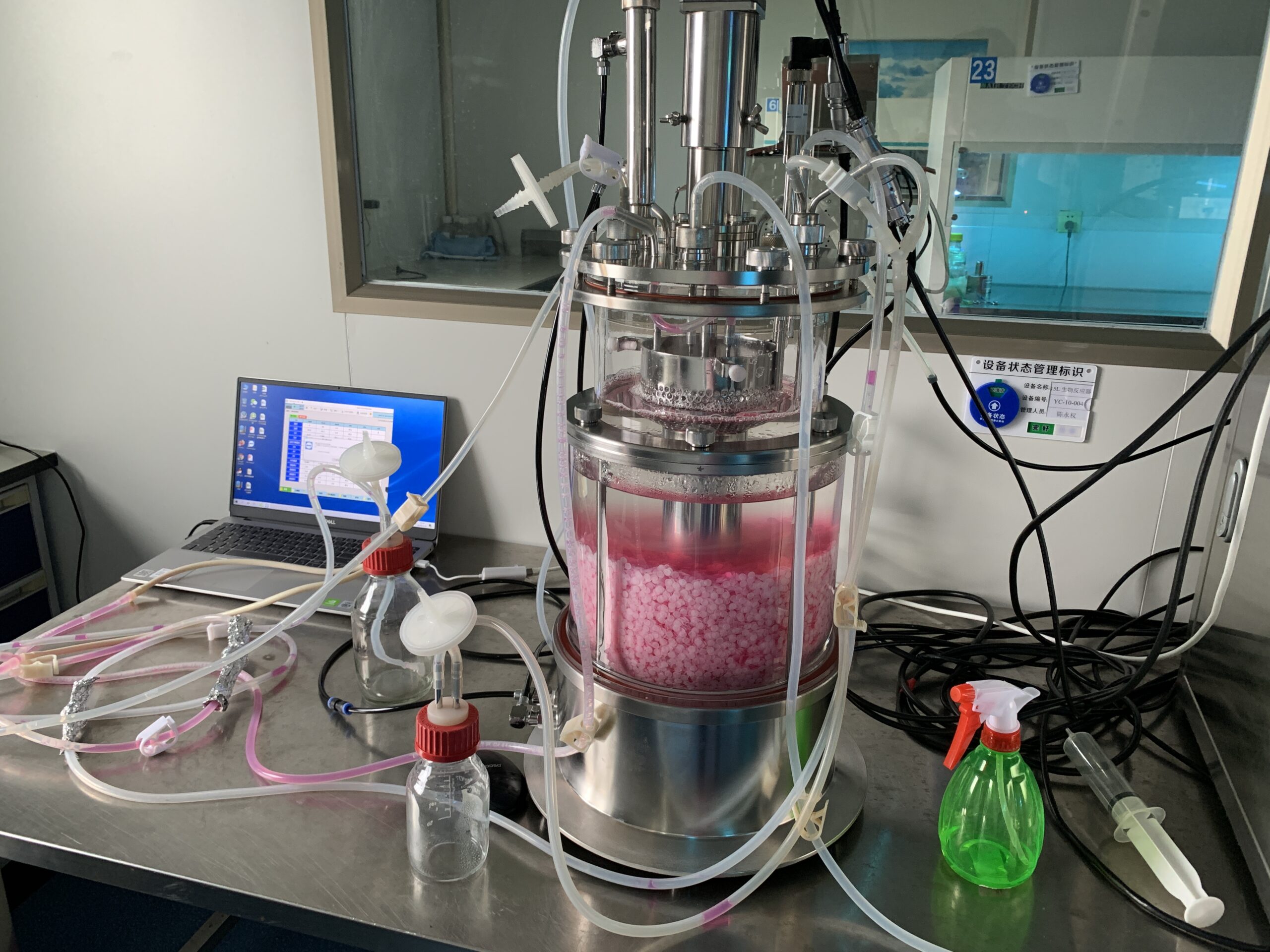
India and Italy are set to launch a major joint scientific research call in 2027 with biomedical research at its heart, targeting gene therapy, messenger RNA (mRNA) platforms and large-scale biomanufacturing. The initiative was announced on 13 November 2026, after high-level bilateral talks in Rome between India’s Union Minister of State (Independent Charge) for Science and Technology and Earth Sciences, Dr. Jitendra Singh, and Italy’s Minister of University and Research, Anna Maria Bernini. The announcement forms part of Dr. Singh’s official five-day visit to Italy from 11 to 15 November 2026, which also featured the Second India-Italy Science and Innovation Dialogue in Rome. According to the Press Information Bureau, the discussions focused on translating the India-Italy Strategic Partnership into practical scientific collaboration, strengthening institutional mechanisms and exploring new opportunities for joint research in emerging and priority technology areas.
The proposed 2027 call is envisaged under the broader framework of the Memorandum of Understanding on scientific research cooperation signed between India’s Ministry of Science and Technology and Italy’s Ministry of University and Research. It will not be limited to medicine: the proposed areas also include artificial intelligence, high-performance computing and big data, as well as clean technologies, hydrogen, renewable energy and the energy transition. But the biomedical strand — advanced biotechnology and biomedical research, with particular attention to gene therapy, mRNA technologies and biomanufacturing — is the element with the most direct bearing on human health, and it is the strand that has drawn the most attention since the announcement. The aim, as stated by the government, is to convert diplomatic goodwill into laboratory breakthroughs and commercially viable medical innovations that benefit people in both countries.
What Was Announced in Rome
Dr. Singh held a bilateral meeting with Ms. Bernini in Rome to strengthen the longstanding India-Italy scientific partnership and take forward joint research and innovation initiatives under the bilateral science and technology cooperation framework. The Press Information Bureau said the two ministers discussed how to turn the Strategic Partnership between the two countries into concrete scientific work, how to strengthen the institutions that carry that work forward, and where new joint research could begin. Dr. Singh expressed the hope that India and Italy would maintain their close association to promote practical cooperation by leveraging the science, technology and innovation ecosystems of both countries, and he assured full cooperation from the Indian side for the delivery of mutually agreed projects and programmes.
The meeting took place against the backdrop of the Second India-Italy Science and Innovation Dialogue 2026, held in Rome on 12 November 2026, which brought together leading scientific institutions, researchers, innovation stakeholders and technology incubators from both countries. The Dialogue focused on research excellence and strategic technologies, translating research into innovation, strengthening institutional partnerships and developing a joint action agenda for future cooperation. Reporting on the Dialogue noted that discussions covered clean technology, quantum, artificial intelligence, digital and big data, and biotechnology and health. Dr. Singh also used the Dialogue to underline the importance of translating scientific capabilities into commercial technologies, and the need for researchers to focus more on translational research — work that carries a discovery out of the laboratory and into a usable product.
What the 2027 India-Italy Biomedical Research Pact Will Cover
Both sides are in the process of launching a new joint research call in 2027 under the framework of the Memorandum of Understanding, and the biomedical component is defined in the government’s announcement with unusual precision. The proposed areas of research cooperation include advanced biotechnology and biomedical research, with particular attention to gene therapy, mRNA technologies and biomanufacturing. In practice, a joint research call of this kind invites researchers and institutions from both countries to submit collaborative project proposals, which are then selected jointly and supported by the two governments. The Press Information Bureau said the proposed thematic areas reflect the broad scope for advancing collaborative research and innovation by bringing together the scientific and technological capabilities of both countries.
Gene therapy, in plain terms, means treatments designed to prevent or cure disease by repairing, replacing or disabling faulty genes inside a patient’s cells, rather than merely managing symptoms with drugs. Messenger RNA, or mRNA, platforms use a short strand of genetic instructions to teach a person’s own cells to produce a specific protein — for example, a fragment of a virus that trains the immune system — and the technology came to worldwide prominence during the Covid-19 pandemic, when mRNA vaccines were developed and deployed at unprecedented speed. Biomanufacturing is the use of living cells, microorganisms or biological enzymes to produce medicines, vaccines and complex biological drugs at industrial scale. Together, the three fields cover the full journey of a modern medicine: designing the therapy, building the platform that delivers it, and manufacturing it reliably and affordably in large quantities.
Why Gene Therapy, mRNA and Biomanufacturing Were Chosen
The choice of these three areas reflects where modern medicine is heading. Gene therapies are moving from experimental treatments towards approved cures for inherited blood disorders, certain cancers and rare genetic diseases, but they remain among the most expensive medicines in the world, often costing far more than most health systems can afford. Messenger RNA technology, proven at scale during the pandemic, is now being explored far beyond vaccines, including for cancer treatments and therapies for rare diseases. And biomanufacturing is the bottleneck that decides whether any of these advances ever reach ordinary patients: a therapy that cannot be produced at scale, at a stable quality and at a manageable cost remains a laboratory achievement rather than a public health gain.
That is why the emphasis in the Rome announcement on commercially viable innovation matters. Both governments have framed the cooperation not as academic exchange alone, but as a pipeline from research to product. Reporting on the Dialogue noted Dr. Singh’s emphasis on connecting research with practical applications and on the Indian government’s push for a robust start-up ecosystem, with researchers encouraged to focus on translational research. For patients, the significance of the proposed call lies in that combination: new therapies designed jointly, platforms that can be adapted quickly to new diseases, and manufacturing capacity that can produce them at a scale and price that health systems in India, Italy and beyond can sustain. No funding figure for the 2027 call has been announced, and no list of participating institutions has been published, so the scale of the programme will only become clear when the call itself is formally issued.
The Institutions Behind the Pact
The framework for the proposed 2027 call will be governed by the India-Italy Joint Scientific Council, which is responsible for the implementation and pursuit of cooperation activities under the Memorandum of Understanding. Dr. Singh particularly highlighted the Council’s role during the Rome meeting, underlining that the new call is intended to run through established institutions rather than as a one-off gesture. On the Indian side, the Department of Science and Technology has supported bilateral scientific and technological activities with Italy through the Indo-Italian Executive Programme of Cooperation, known as EPOC, working with the Ministry of Foreign Affairs of Italy.
The track record of that programme gives the new call a foundation to build on. More than 150 joint projects have been implemented under the Executive Programme of Cooperation, and the current programme for 2025-27, signed on 10 April 2025 during the Joint Science and Technology Committee meeting, provides for the joint funding of 10 proposals for mobility of researchers and 10 proposals for significant research. A separate joint statement issued after the Dialogue recorded that the two ministers acknowledged the role of the Italy-India Joint Committee responsible for implementing cooperation under the Memorandum of Understanding, and highlighted the Committee’s ongoing work towards the launch of a joint call for research proposals in 2027, to promote collaborative research by Italian and Indian partners, combine complementary scientific expertise and support durable institutional partnerships.
A Partnership With Deep Roots
The proposed 2027 call is the latest chapter in a scientific relationship that is nearly half a century old. Dr. Singh noted in Rome that the first inter-governmental agreement in science and technology between India and Italy was signed in 1978 and subsequently renewed on 28 November 2003. That agreement envisages sharing experiences in national research, development and innovation policies and programmes, the exchange of scientists and researchers, industrial research, joint research and development projects and joint workshops. India-Italy relations were elevated to a Strategic Partnership in 2023, and Prime Minister Narendra Modi and Italian Prime Minister Giorgia Meloni announced the Joint Strategic Action Plan for 2025-2029 in November 2024, providing a roadmap for strengthening bilateral cooperation.
Momentum has accelerated since then. As a follow-up to the Joint Strategic Action Plan, an Italian delegation led by Deputy Prime Minister and Minister of Foreign Affairs Antonio Tajani, along with Ms. Bernini, visited New Delhi in April 2025, during which the Memorandum of Understanding on scientific research cooperation was signed between India’s Ministry of Science and Technology and Italy’s Ministry of University and Research. The first India-Italy Science and Innovation Dialogue was held in New Delhi on 11 April 2025, alongside the bilateral engagements, with experts from research centres and academic institutions participating and exchanging ideas on future areas of collaboration. The Second Dialogue in Rome in November 2026 is the continuation of that engagement, with the Indian delegation comprising experts and representatives from academic institutions, research institutes, incubators and technology incubation hubs — a breadth of participation that the government said reflects the importance of connecting research, academia and the innovation ecosystem.
From Laboratory Breakthroughs to Market-Ready Medicines
The Rome talks also placed the biomedical plans in a wider scientific context. Existing scientific collaboration between the two countries already spans infectious diseases, physics of matter and new materials, quantum technologies, renewable energies, green hydrogen and the sustainable blue economy, and the Dialogue’s discussions ranged across clean technology, quantum, artificial intelligence, digital and big data, and biotechnology and health. Dr. Singh’s visit programme in Trieste on 13 November 2026 included visits to the Elettra Synchrotron Facility, the Abdus Salam International Centre for Theoretical Physics and the International Centre for Genetic Engineering and Biotechnology — institutions whose work touches directly on the advanced biotechnology at the centre of the proposed call.
The commercial emphasis is a deliberate feature of the new approach. At the Dialogue, Dr. Singh highlighted the importance of translating scientific capabilities into commercial technologies and spoke of the need to advance innovation and skill development. The message to researchers on both sides was that collaboration should not stop at publication: joint work should aim at products, processes and companies that can carry a discovery into hospitals and pharmacies. That orientation is particularly relevant to biomanufacturing, where the difference between a promising therapy and an available one is often a production process that is reliable, scalable and affordable. If the 2027 call delivers on that ambition, its most important results may not be papers but production lines — and, ultimately, treatments that reach patients at prices their health systems can bear.
What Happens Next
For now, the 2027 joint research call remains a proposal in the process of being launched, not a completed programme. The government’s announcement is clear that both sides are in the process of launching the new call in 2027 under the broader framework of the Memorandum of Understanding, and the proposed areas — including gene therapy, mRNA technologies and biomanufacturing — are described as proposed areas of research cooperation. The formal call, with its themes, eligibility rules, application process and funding arrangements, is still to be issued through the India-Italy Joint Scientific Council and the Joint Committee that oversees the Memorandum of Understanding. Until then, researchers and institutions in both countries will be watching for the detailed terms that will decide who can apply and what kind of projects will be supported.
What is already clear is the direction of travel. Two countries with a scientific relationship dating back to 1978, a Strategic Partnership since 2023 and a Joint Strategic Action Plan running to 2029 have chosen to put some of the most consequential technologies in modern medicine — gene therapy, mRNA platforms and biomanufacturing — at the centre of their next joint research effort. If the envisaged 2027 call is issued as announced, it will test whether that partnership can deliver what its architects promise: laboratory breakthroughs in Rome and New Delhi that become affordable, commercially viable medicines for patients in both countries and beyond.
Sources
USN reviewed reporting from multiple outlets for this story. Read more from PIB, ETTelecom and The Assam Tribune.