

By Farhan Khan, November 10, 2026
The Union Cabinet has cleared a Rs 4,371.10 crore plan to rebuild how India collects and publishes its statistics. The VISTAR scheme, approved on 4 November 2026 at a meeting chaired by Prime Minister Narendra Modi, will run for five years, from financial year 2026-27 to 2030-31.
VISTAR stands for Vision for Integrated, Standalone and Transparent Amritkaal-ready Robust statistical system. It is a new Central Sector scheme under the Ministry of Statistics and Programme Implementation, known as MoSPI.
One scheme instead of two
The new scheme does not start from a blank slate. It subsumes and replaces the Capacity Development scheme, which was worth about Rs 3,179 crore, has been running since 2018-19, and ends on 31 March 2026. VISTAR integrates that scheme with Support to State Statistical Systems, or SSS 2.0, to create a single unified scheme covering the Centre and the states.
The idea is to stop running parallel programmes for national and state statistics and to build one system that works the same way at both levels. The government says that will cut duplication and make the numbers states produce easier to compare with the national figures.
What the money will pay for
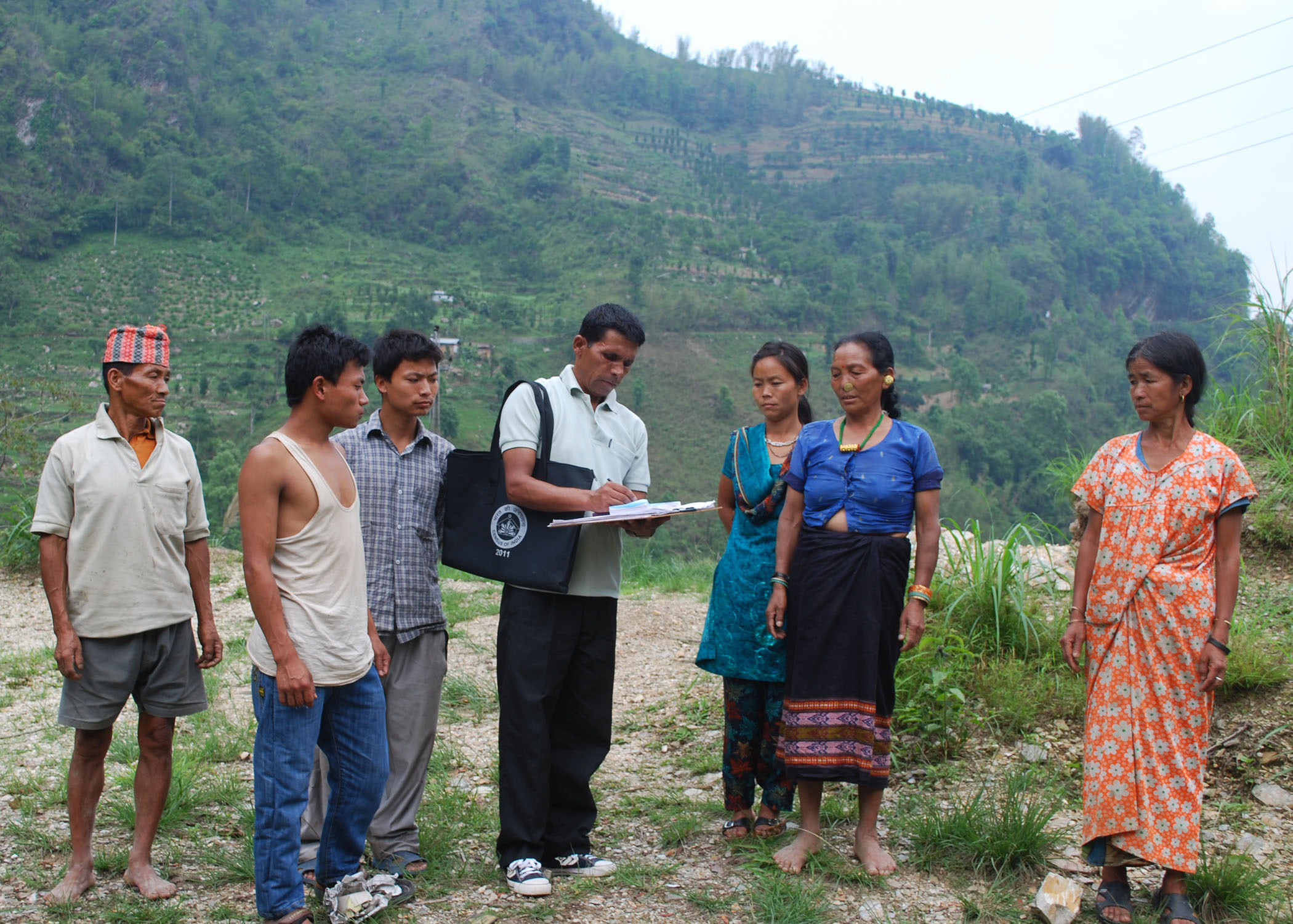
VISTAR covers five survey clusters run by the National Sample Survey Office, the NSSO, and 14 other components. Over the five years, the office will conduct 59 surveys, up from 43 in the previous five years.
Among the planned work is the 8th Economic Census, a count of business establishments across the country that feeds into estimates of output and employment. The scheme also funds cloud-based mobile apps for fieldwork, digitised survey processes, and the release of more granular data — figures broken down to smaller geographies and smaller groups, rather than national averages alone.
A set of new indices and measures is also on the list. They include a Core Inflation Index and a Producer Price Index, which track prices from the consumer’s and the producer’s side. There is an Activities of Daily Living indicator, which measures how people manage everyday tasks, and a Statistical Tourism Satellite Account, which pulls together the economic contribution of tourism. A School Education Index will track schooling outcomes, while a Time Use Survey will record how people spend their hours, a Homelessness Enumeration Survey will count people without a home, and a National Mobility Census will map how people move around the country.
Taken together, the work is aimed at producing faster, more detailed and higher-quality data, and at giving policymakers evidence they can act on rather than figures that arrive months after the fact. The emphasis on granular data is deliberate: national averages can hide what is happening in a district or a community, and the scheme is designed to produce figures that are useful at that level.
The shift from 43 surveys in the previous five years to 59 in the next five is one measure of the scale of the change. More surveys, carried out on digitised systems with cloud-based mobile apps, should mean shorter gaps between collection and publication, and fewer of the delays that have dogged official statistics in the past.
The states get the most attention
Much of the scheme is directed at the state statistical systems, which the government says need reviving. VISTAR will strengthen 77 district state statistical offices and 120 SSS offices, and provide training in data science, artificial intelligence and GIS, or geographic information systems.
That matters because most of the data used in day-to-day administration — crop output, local prices, school enrolment, health indicators — is collected at the state and district level. Weak state systems mean gaps in the national picture, and the scheme is built around closing those gaps. The 120 SSS offices are the backbone of that work, and the 77 district offices are where the data is actually gathered, so strengthening them is where the scheme will succeed or fail.
The training programme is part of the same push. Staff will be trained in data science, artificial intelligence and GIS, the geographic information systems used to map data. The point is not only to collect more figures but to collect them with modern tools and to analyse them in ways that were not possible when the Capacity Development scheme began in 2018-19.
Goa Chief Minister Pramod Sawant welcomed the approval, one of the first state leaders to do so publicly.
The test for VISTAR will not be the Cabinet clearance. It will be whether the surveys happen on schedule, whether the new indices are published on time, and whether the state offices, once trained and equipped, produce data that people outside government actually trust and use.
Sources: PIB, The Hindu, DD India.