

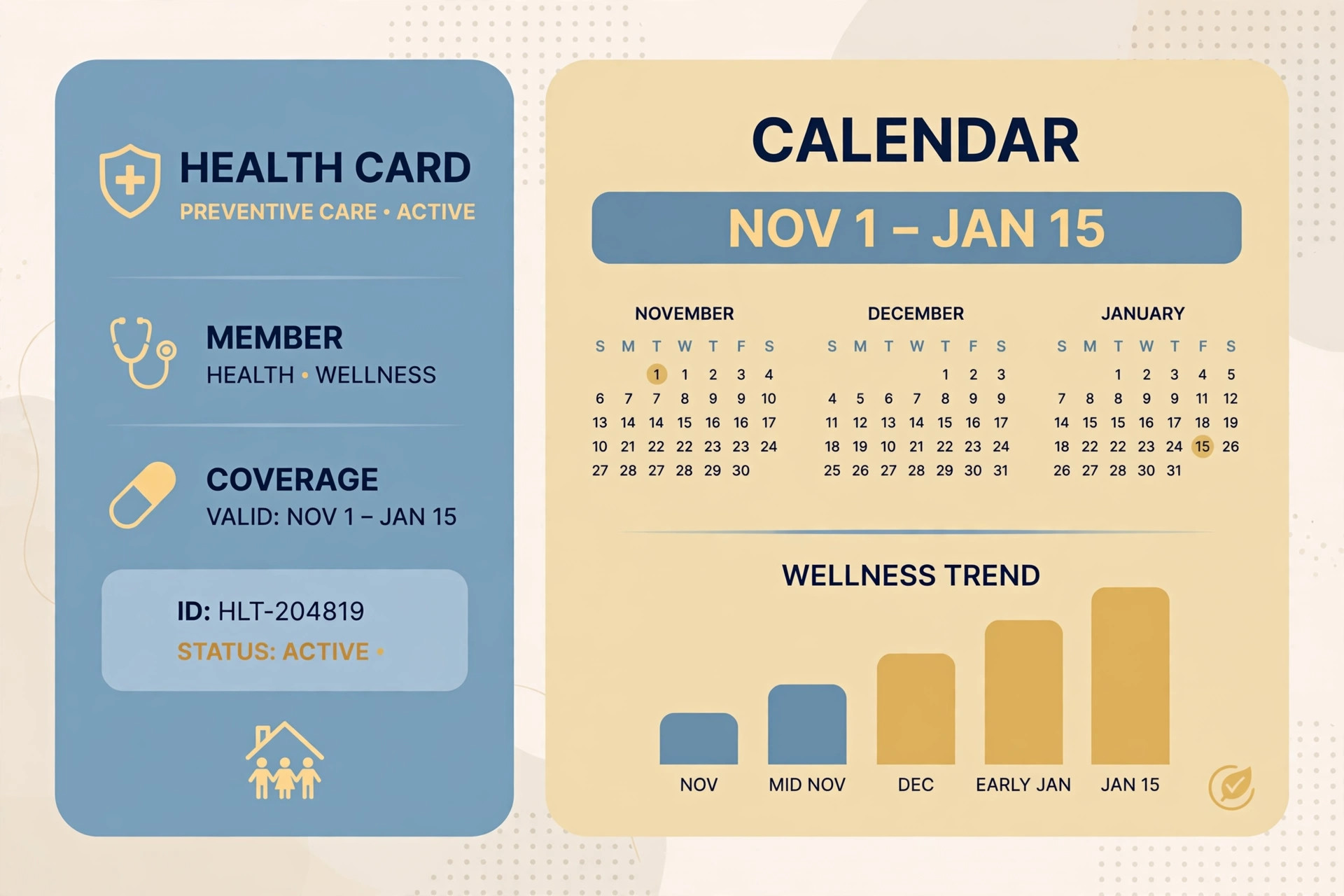
WASHINGTON — Open enrollment for 2027 health coverage on HealthCare.gov begins on Sunday, November 1, 2026, opening a window that will run until January 15, 2027, for Americans who buy their own insurance through the Affordable Care Act marketplaces. The stakes this year are higher than usual, because shoppers are entering the marketplace after a year of sharp price increases, after the expiration of enhanced federal subsidies, and in the middle of a midterm election in which health costs have become a central argument.
According to an analysis by KFF, the nonpartisan health policy research organisation, the benchmark Silver plan — the second-lowest-cost Silver plan in each area, to which federal subsidies are pegged — will cost 13% more on average in 2027. That follows a 26% jump from 2025 to 2026. Combined, the two increases amount to a 42% rise in the average benchmark premium between 2025 and 2027. Those are averages, not individual prices, and they will feel very different depending on where a shopper lives, how old they are, what income they report, and which plan they choose. But as a national signal, the direction is unmistakable: the price of the plan that anchors the subsidy system has risen steeply for two years in a row.
The federal marketplace and state-run marketplaces tell slightly different versions of the same story. HealthCare.gov states will see an average benchmark increase of 11% in 2027, after a 30% increase the previous year, according to the figures cited in the KFF analysis. State-run marketplaces will see a larger average increase of 16% in 2027, after an increase of about 17% the year before. The difference reflects different insurer mixes, different state rules, and different local cost pressures — a reminder that there is no single national premium, only a patchwork of local markets that happen to share a federal framework.
Separately, insurers themselves sought larger increases before regulators reviewed their filings. KFF’s review of 276 insurers found a median requested increase of 15% for 2027, with requests ranging from a 1% decrease to a 54% increase, and most falling between 10% and 25%. That 15% median and the 13% average benchmark increase are different measures, and they should not be conflated. The median requested increase describes what insurers asked for, before final approvals and before shoppers choose plans. The 13% figure describes the average change in the benchmark plan itself, which is the plan that determines subsidy amounts. Both point upward, but they measure different things, and a shopper’s own bill will depend on the final approved rates in their area and the plan they select.
The Centers for Medicare and Medicaid Services, which runs HealthCare.gov, did not publish an average premium change in its October 30 fact sheet on the 2027 marketplace. Instead, CMS emphasised access to low-cost options, saying that more than 75% of HealthCare.gov shoppers “will continue to have access to premiums at or below $50 in 2027.” That is a shopper-access claim, not an average, and it can be true at the same time as the KFF average increase. Many shoppers, particularly those with lower incomes who still qualify for subsidies, may find a plan at or below $50 a month after assistance is applied. Others, particularly those whose incomes place them just above subsidy thresholds or who choose richer plans, may face substantially higher bills. Both statements describe real parts of the marketplace; neither, on its own, describes every shopper’s experience.
HealthCare.gov open enrollment 2027: key dates and what shoppers must do
The calendar for 2027 coverage is straightforward, but the deadlines matter. Open enrollment runs from November 1, 2026, to January 15, 2027. Shoppers who want coverage to begin on January 1, 2027, must enroll by December 15, 2026. Those who enroll after December 15, up to the January 15 close, will generally see coverage begin on February 1, 2027. Missing the January 15 deadline in most cases means waiting until the next open enrollment period, unless a qualifying life event — such as losing other coverage, moving, marrying, or having a child — opens a special enrollment window.
That January 15 end date is itself the product of a recent legal fight. A 2025 federal rule would have ended enrollment on December 15, 2026, cutting the window by a month. A federal court vacated that rule in June 2026, restoring the longer period. For shoppers and for the navigators and brokers who help them, the restoration matters: the weeks after the December holidays are often when people who missed the first deadline, or who need help comparing plans, finally complete enrollment.
Shoppers who already have marketplace coverage should not assume their plan, premium, or subsidy will stay the same. Insurers change networks, formularies, and prices every year, and subsidy amounts move with the benchmark plan in each area. The practical advice that consumer groups repeat every year applies with extra force in 2027: log in, update income and household information, compare plans rather than auto-renewing blindly, and check whether doctors, hospitals, and prescriptions remain covered under the plan being considered. A plan that was cheapest last year may not be cheapest this year, and a plan that looks cheap on premium alone may carry a high deductible or a narrow network.
Out-of-pocket limits are also rising. For 2027, the maximum out-of-pocket limit will be $12,000 for self-only coverage and $24,000 for other coverage, about 13.2% above the 2026 limits. Those are ceilings, not typical spending — most enrollees will spend far less — but they set the worst-case exposure for a serious illness or injury, and they are part of why premium comparisons alone do not capture the full cost of coverage. A lower-premium plan with a higher deductible and a higher out-of-pocket maximum can be more expensive overall for someone who needs regular care.
The expired enhanced subsidies — the biggest change behind the prices
The largest single policy change behind the 2027 price picture is not an insurer decision. It is the expiration of enhanced premium tax credits on December 31, 2025. Those credits, first expanded during the pandemic and extended several times since, increased subsidy amounts and extended eligibility to more middle-income households. When they expired, many shoppers saw their net premium — the amount they actually pay after subsidies — rise even if the underlying full price of their plan had not changed as much.
Congress had not renewed the enhanced credits as of October 2026, and the lapse has become a major issue in the midterm campaign, with Democrats arguing that the expiration is driving up costs for millions of families and Republicans arguing about the cost and design of the subsidy system itself. The political argument matters for shoppers because a future congressional action could, in theory, change subsidy rules, but no such renewal was in place as open enrollment opened on November 1. Shoppers should therefore plan on the basis of current law, not on the hope of a retroactive fix, and should check the subsidy amount shown on HealthCare.gov for their own household rather than relying on last year’s net price.
Florida illustrates how the expiration has already played out in practice. In 2026, the average net premium in Florida after credits was about $106 a month, compared with about $67 the prior year, according to figures cited in recent coverage of the state’s market. The average full-price premium in Florida rose 31.5% for 2026. At the same time, several insurers have left Florida’s individual market, including Cigna, Molina Healthcare of Florida, and Sunshine State Health Plan. Fewer insurers can mean fewer choices and less competition in some counties, although the effect varies by area, and some counties retain multiple carriers.
Florida is not unique in feeling the squeeze, but its size and its large marketplace population make it a bellwether. The state has historically had one of the largest numbers of marketplace enrollees in the country, and changes there are watched nationally as an early indicator of how subsidy expiration and premium increases interact. The 2026 enrollment data already shows strain: plan selections fell by 1.2 million during 2026 open enrollment, and paid-up enrollment was down 12%, or 2.6 million people, to 19.2 million by February 2026, according to KFF. Those declines do not mean the marketplace collapsed — 19.2 million paid-up enrollees remains a very large market — but they do suggest that higher net prices pushed some people out, or caused some to let coverage lapse after selecting a plan.
Why premiums are rising, and why averages hide the real story
Insurers and analysts cite several drivers behind the increases, and they interact in ways that make simple blame difficult. Medical costs have risen, driven by higher prices for hospital care, prescription drugs — including expensive specialty medicines — and increased use of services after the pandemic-era dip. Insurers also say they are pricing in uncertainty: when subsidy policy is in flux, when enrollment is falling, and when the risk pool may shift toward sicker enrollees who are more likely to stay covered despite higher prices, insurers tend to price more cautiously, which itself pushes premiums up.
The risk-pool point deserves emphasis. If healthier, younger shoppers drop coverage because net prices rise, the remaining pool becomes, on average, sicker and more expensive to insure. That can push premiums higher the following year, which can push more healthy shoppers out — a cycle that health economists call adverse selection. It does not happen overnight, and the marketplace has tools, including risk adjustment between insurers, to blunt it. But the 2026 enrollment decline is exactly the kind of signal that insurers and regulators watch for early signs of that dynamic.
At the same time, individual experience will vary enormously. A 25-year-old in a competitive urban market who qualifies for a substantial subsidy may still find a Bronze plan for very little, or even at no net premium in some cases, depending on the benchmark in their area. A 60-year-old in a rural county with one insurer, no subsidy, and a preference for a Gold plan with a broad network may face a bill several times higher. Age rating — insurers in most states can charge older adults up to three times as much as younger adults for the same plan — means that the same percentage increase translates into very different dollar increases for different shoppers.
Geography matters too. Some states have used state-based subsidies, reinsurance programmes, or other tools to moderate increases. Others have not. Some counties have five insurers competing; others have one. That is why national averages, while useful for describing the system, are a poor guide to any individual’s bill. The only reliable number for a shopper is the quote for their household, in their ZIP code, for the plans available to them.
What this means in an election year
Health costs are not an abstract policy debate for the families facing these bills. They sit alongside rent, groceries, and transport in household budgets, and they have become a defining issue in the final days before the midterms. cost-of-living pressures are already weighing on voters, and a health insurance bill that rises by hundreds of dollars a year — or, for some unsubsidised shoppers, by thousands — is the kind of concrete cost that voters notice and remember.
The campaign debate also includes promises about direct payments and household relief. Voters weighing those promises should distinguish between enacted law and campaign proposals. Reporting on household payments promised in the campaign has stressed that some high-profile payment proposals are conditional on election outcomes and future legislation, not money already approved. The same caution applies to health subsidies: a promise to restore or expand credits is not the same as a credit a shopper can claim on November 1, and shoppers should enroll on the basis of the subsidies actually available to them.
For policymakers, the 2027 open enrollment period will also be a test of whether the marketplace can stabilise after two years of double-digit benchmark increases. If enrollment holds steady or recovers, it will suggest that shoppers are adapting — switching plans, accepting higher deductibles, or finding subsidies that cushion the blow. If enrollment falls again, it will strengthen the argument, already being made by consumer advocates, that the current combination of higher full prices and expired enhanced credits is pricing too many people out, and that Congress will face pressure to act early in the next session.
For now, the practical steps are clear. Shoppers should enroll by December 15 for January 1 coverage, compare the full cost of plans — premium plus deductible plus out-of-pocket maximum plus network — and update their income information so their subsidy is calculated correctly. Those who need help can use HealthCare.gov’s navigator and assister programmes, which remain free, and should be wary of off-marketplace plans that may look cheaper but do not offer the Affordable Care Act’s protections, including coverage for pre-existing conditions and essential health benefits.
The 13% average benchmark increase for 2027, following the 26% jump the year before, is a stark headline. But the story underneath it is more complex: different measures telling slightly different stories, different states moving at different speeds, subsidies that have expired for now, and individual bills that will range from very low to very high depending on circumstances no national average can capture. Open enrollment, which runs to January 15, is the window in which those individual stories will be decided, one household at a time.
Sources
USN reviewed reporting from multiple outlets for this story. Read more from Radio Purple, Political.org and EconoTimes.